
Grabatón 2026: when the continent stopped to listen
More than 650 people from 23 countries stopped and listened. Three days, 7,730 recordings, 1,764 species. This was the Grabatón 2026, the first major collaborative bird sound recording event at a continental scale.
By: Fabricio C. Gorleri & Heliana Guirado
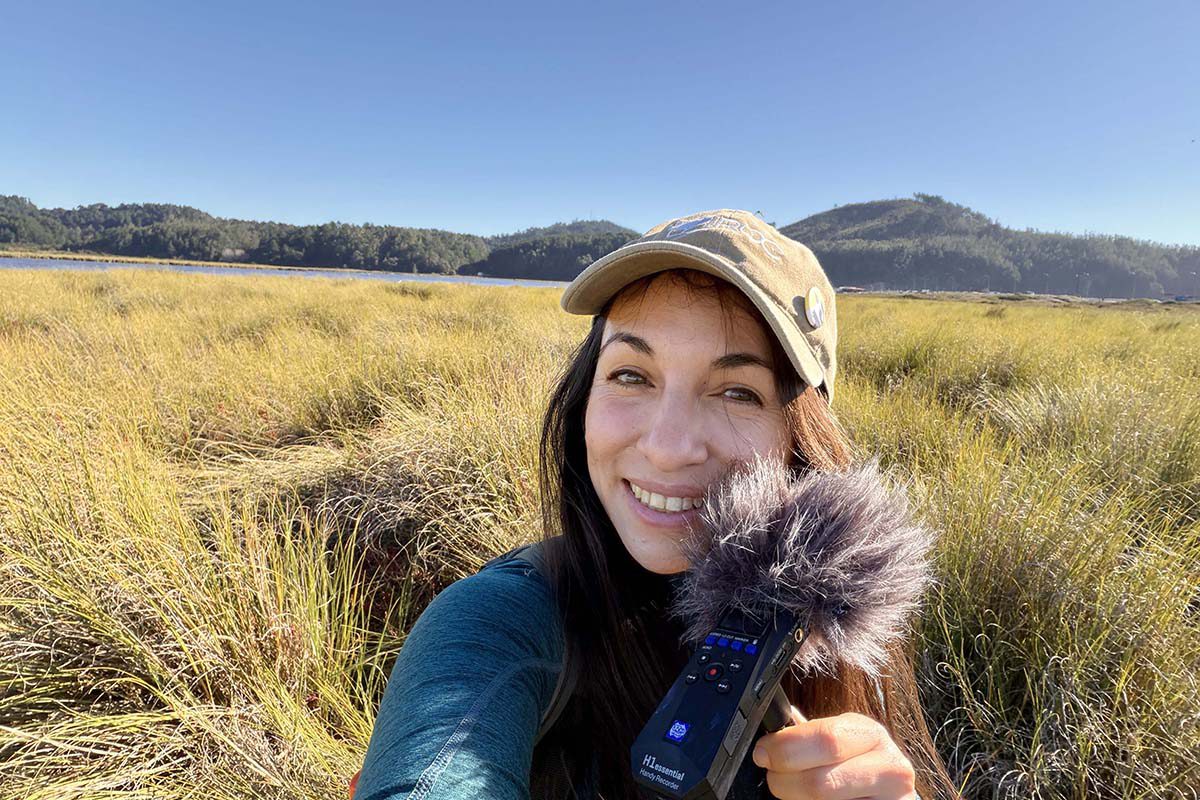
Dawn was just breaking in the Amazon, and groups of observers were already walking in silence with microphones in hand. In Patagonia, others endured snow and wind to capture a few seconds of birdsong. In Caracas, Lima, and Mexico City, entire families recorded from urban plazas with their phones.
For three days —between May 8 and 10, 2026— Latin America and the Caribbean became a vast network of collective listening. The Grabatón, organized by Grabando Aves and supported by eBird and Macaulay Library, generated one of the largest sound datasets Latin America has ever produced in such a short time:
- 7,730 recordings
- 1,764 species
- 654 recordists
- 23 countries
- +96 teams
- 589 priority species
- 22 rare species
The most intense day was May 9, coinciding with eBird’s Global Big Day: more than 5,000 recordings uploaded in a single day —65% of the event’s total.
Full technical report of the Grabatón 2026 →
A whole continent recording
The geographic reach of the event was extraordinary. Teams were active from Tierra del Fuego to the Caribbean: cloud forests of Guatemala, mangroves of Panama, the Brazilian Amazon, Chaco wetlands, the Peruvian Andes, and Patagonian steppes.
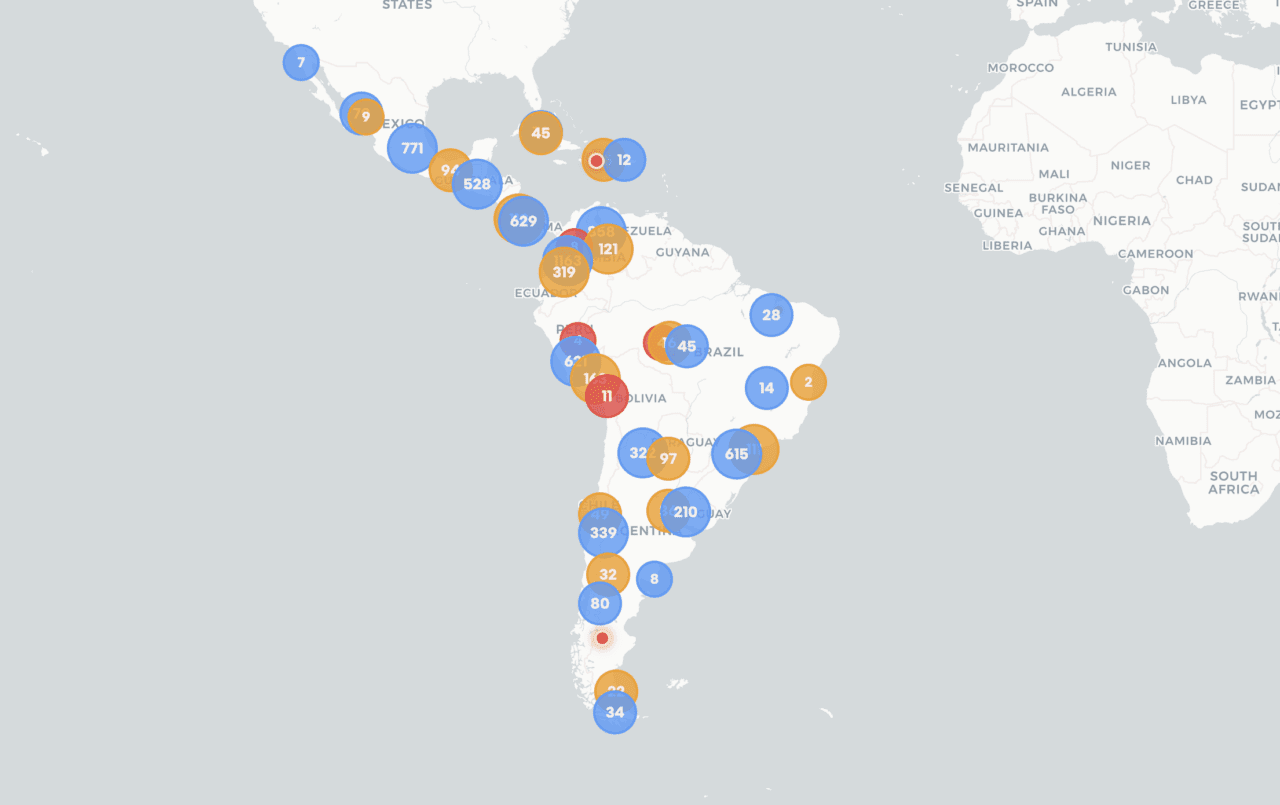
Colombia led in number of recordings (1,579), followed by Mexico (927) and Argentina (839). But in terms of relative diversity, Peru recorded 344 species: the highest number relative to its participants.
Behind each sound, a story
Beyond country rankings, what matters are the personal stories lived during the event. These are some of the ones that moved us most:
The Manabirds team from Manabí, Ecuador, shared: “We had to pause our route to file a report about a group of people cutting down and burning a mountain of ceibo trees.” They made the formal complaint and returned the following day to finish their recordings.
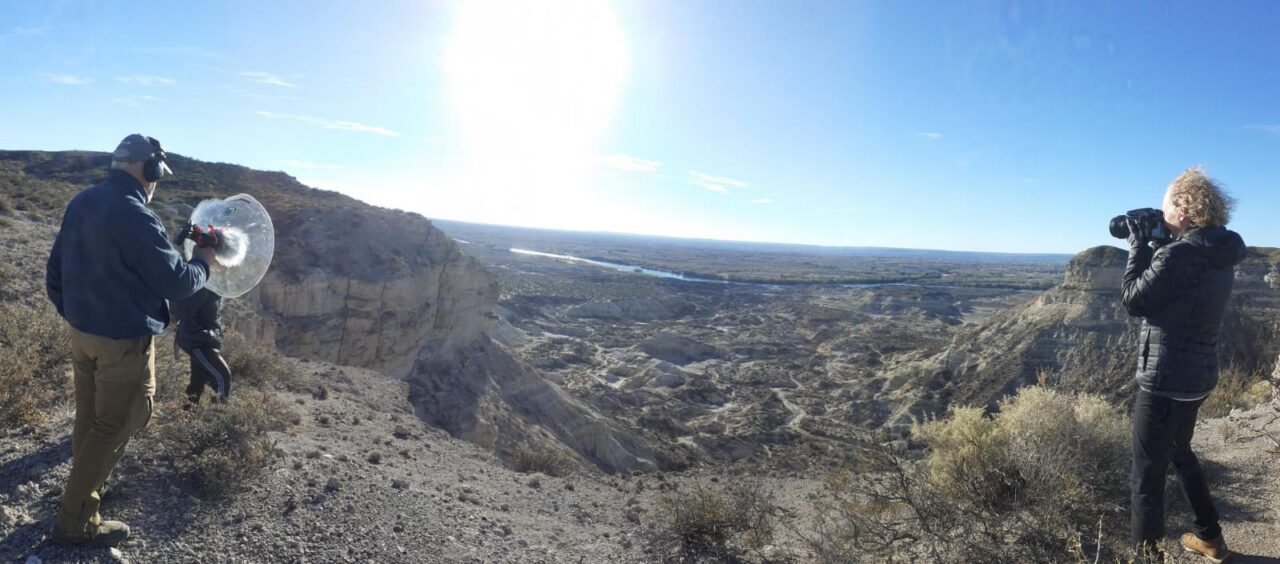
The Equipo Patagonia Argentina knew that May was not the ideal season for recording birds at the southern tip of the continent, but decided to participate anyway because this was “an opportunity to bridge the enormous distances that separate us, to meet each other and grow in experience and knowledge,” as they shared.
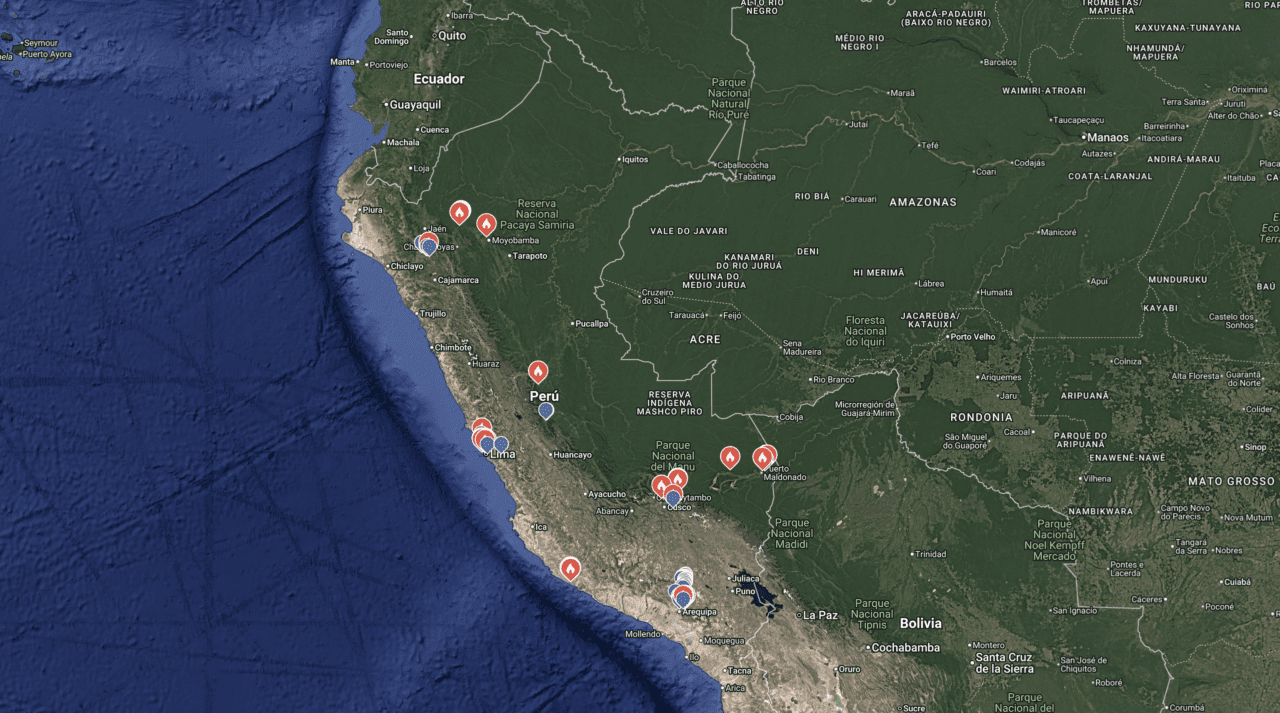
The Club de Bioacústica del Perú brought together participants from different regions of the country “united by the same passion,” recording 154 species —including birds with fewer than 15 recordings anywhere in the world.
“Listening is also birding,” they concluded.
In Panama, many of the recordings were made with mobile phones. The Audubon Society of that country coordinated teams in mangroves, urban parks, and humid forests.
The reflection they shared with us was as simple as it was profound: “The Grabatón is not just an event; it is a collective exercise in listening. An intentional pause to remember that, in the Neotropics, the most interesting bird is often not the one you see… but the one you manage to identify among the dawn chorus.”
A global archive that grows thanks to you
The Grabatón had a special impact on rare and poorly documented species. The event recorded 22 very rare species —birds with fewer than 20 recordings available in the entire Macaulay Library— and another 589 priority species with limited global representation.
Listen to this recording of the Bonaparte’s Parakeet (Pyrrhura lucianii) captured by Glauko Corrêa, a member of the Proaves Rondoni team —a species with only 11 global recordings:
The event also stood out for the large number of high-quality recordings uploaded to eBird, most following best practices in field recording and editing. This demonstrated the commitment of a community dedicated to providing quality data to global biodiversity archives.
A standout recording of the duet of the Streamer-tailed Tyrant (Gubernetes yetapa) captured by Sabina De Lucca, of the Birding Taragüí team:
A different way of connecting with nature
Recording birds forces you to slow down. Unlike traditional birdwatching, sound recording requires staying still, listening, and waiting. It often means several minutes of complete silence, following a bird with the microphone —one that may vocalize for only a few seconds— becoming, at times, a meditative experience.
This way of connecting with nature —slower, more attentive, deeply immersed in the surroundings— was experienced differently by each participant.
The Grabatón also left something less visible but enormously significant: a sense of community.
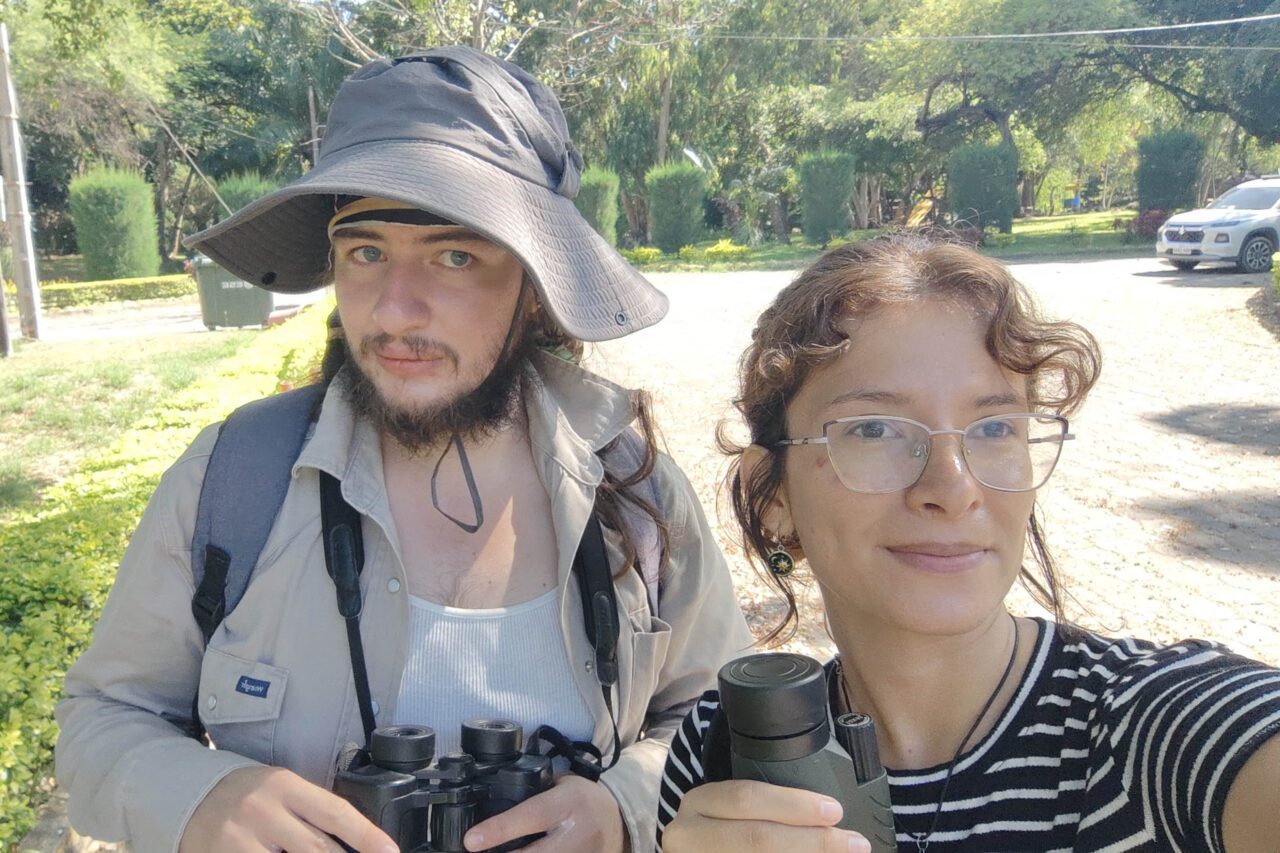
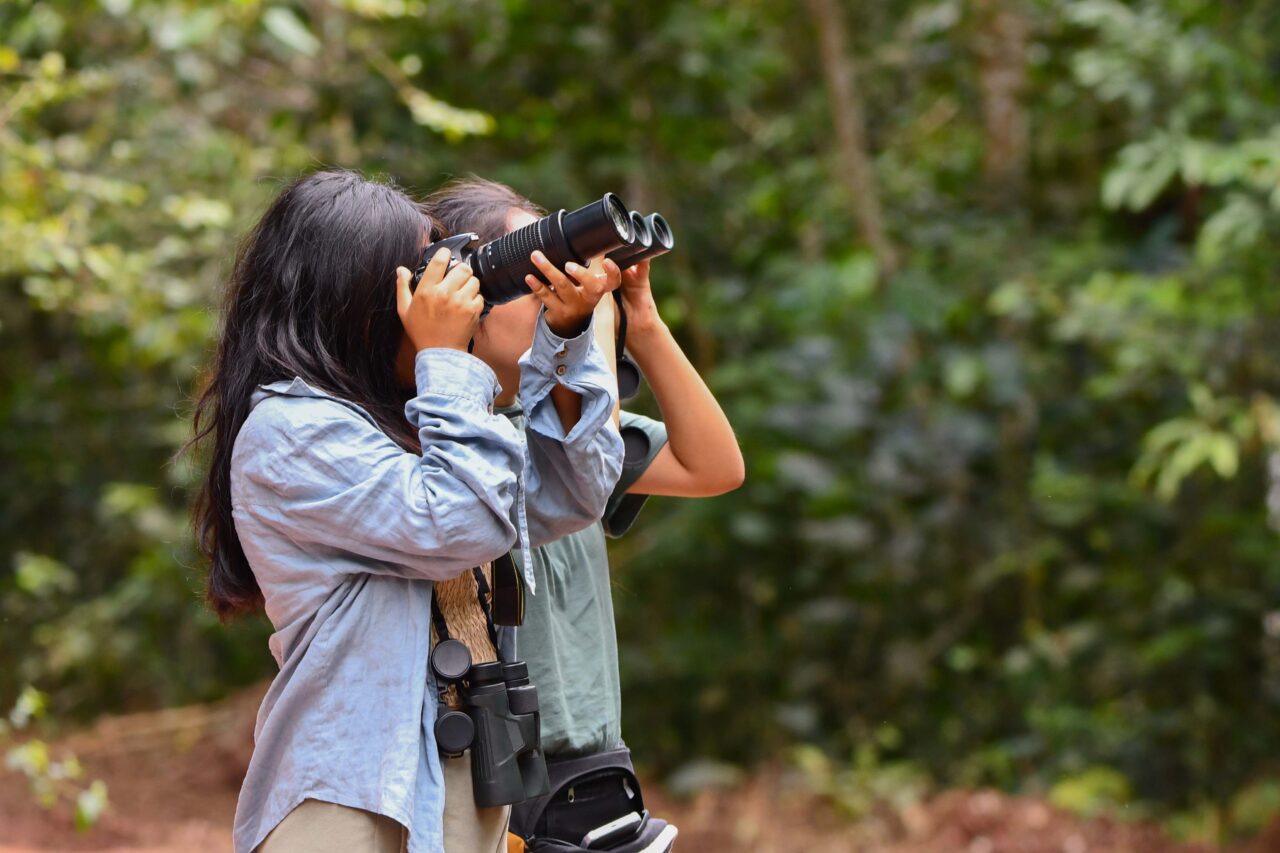

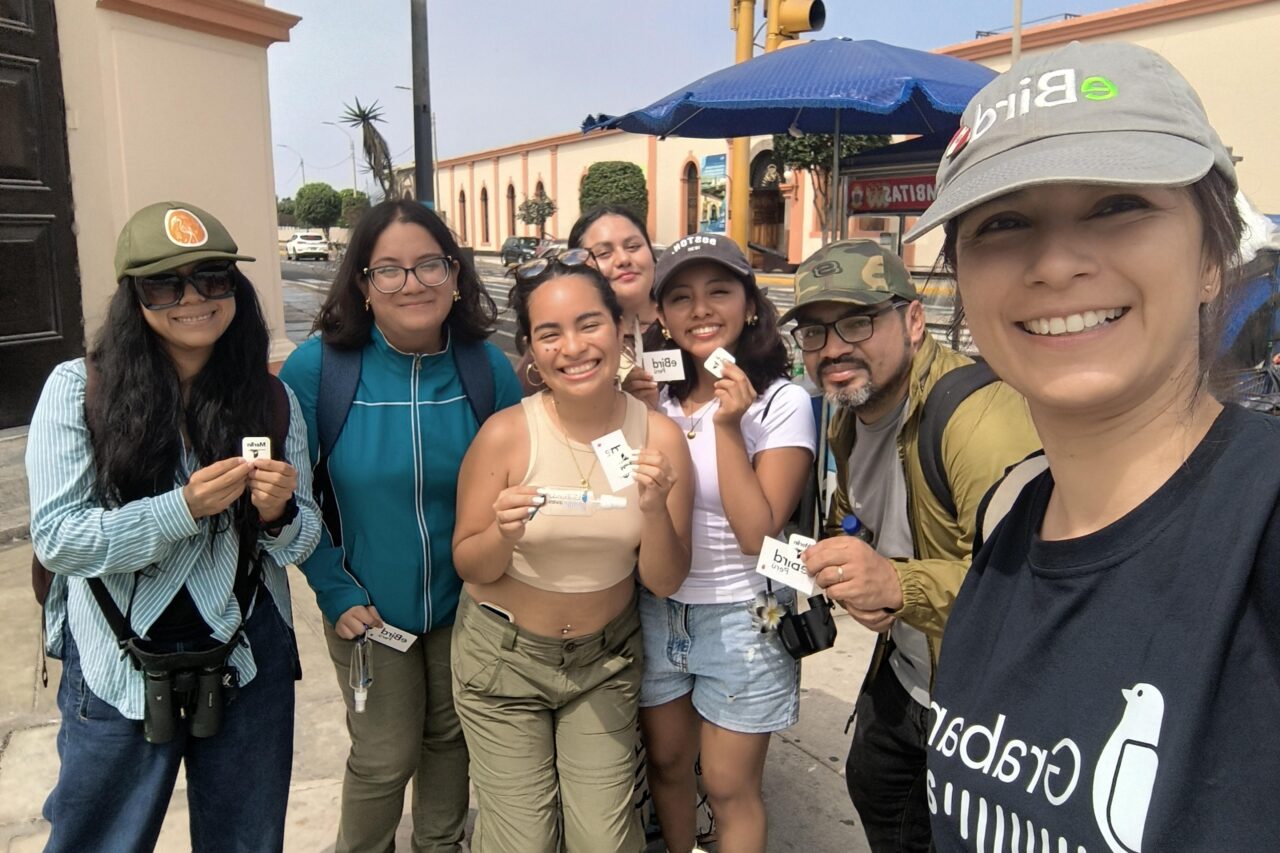
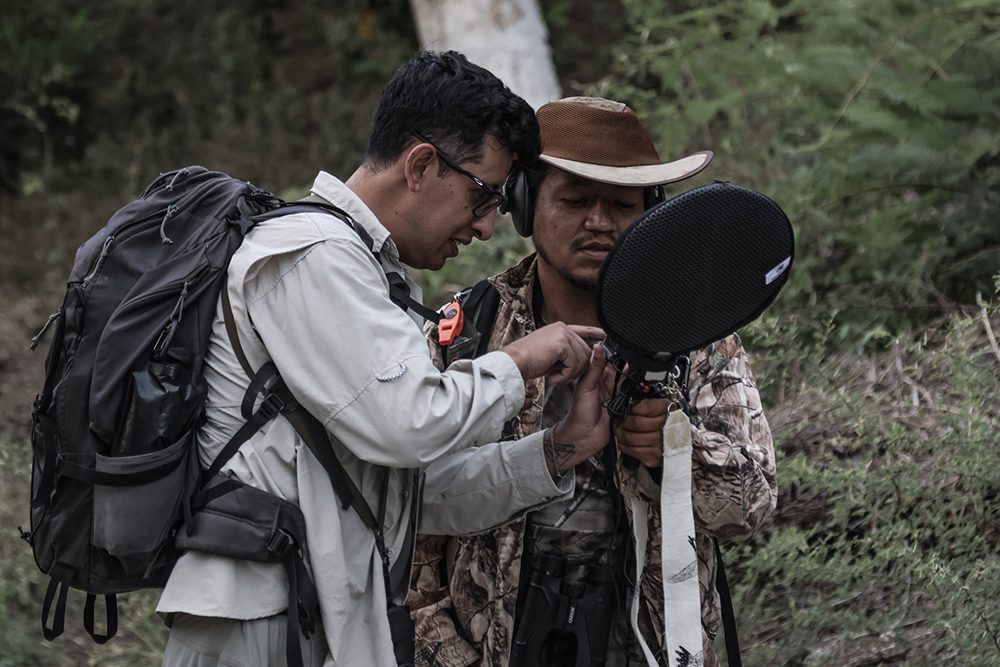
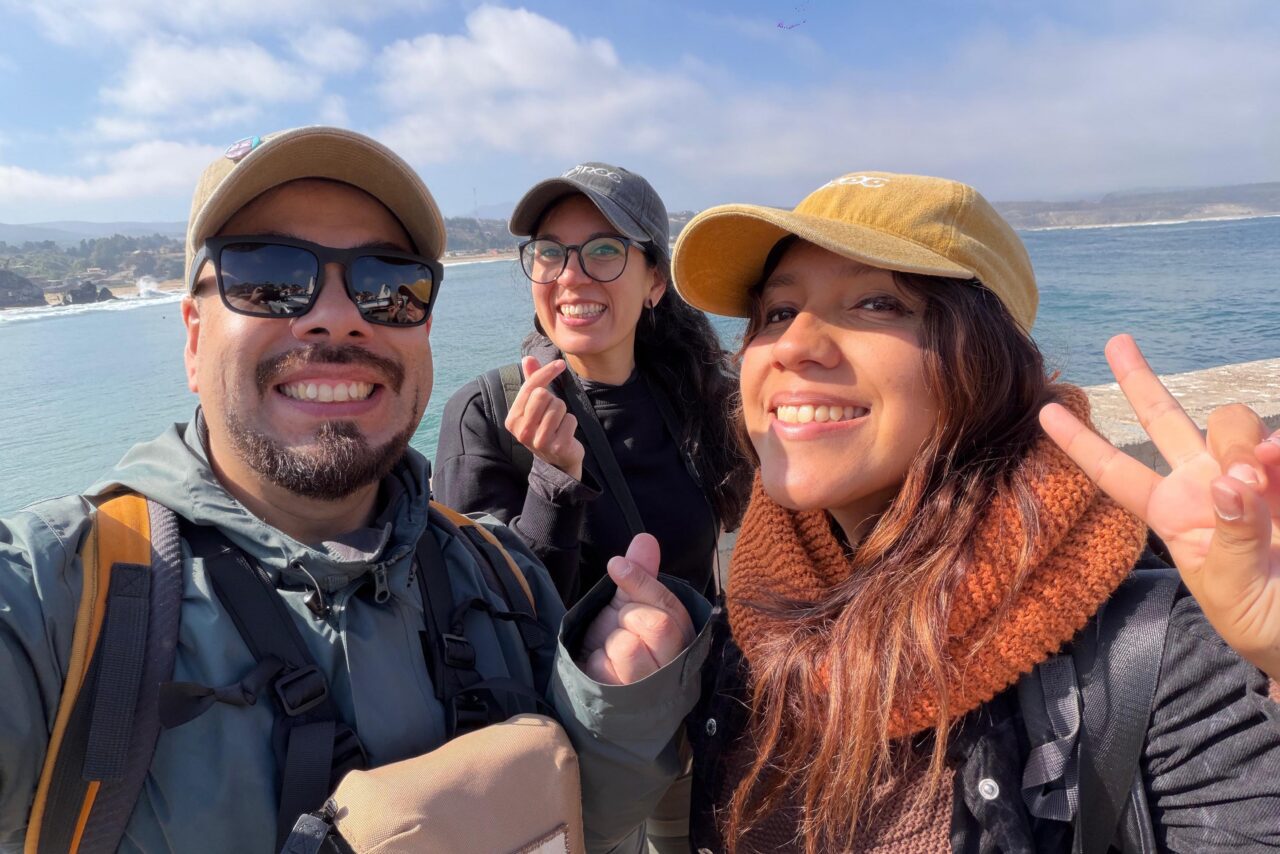
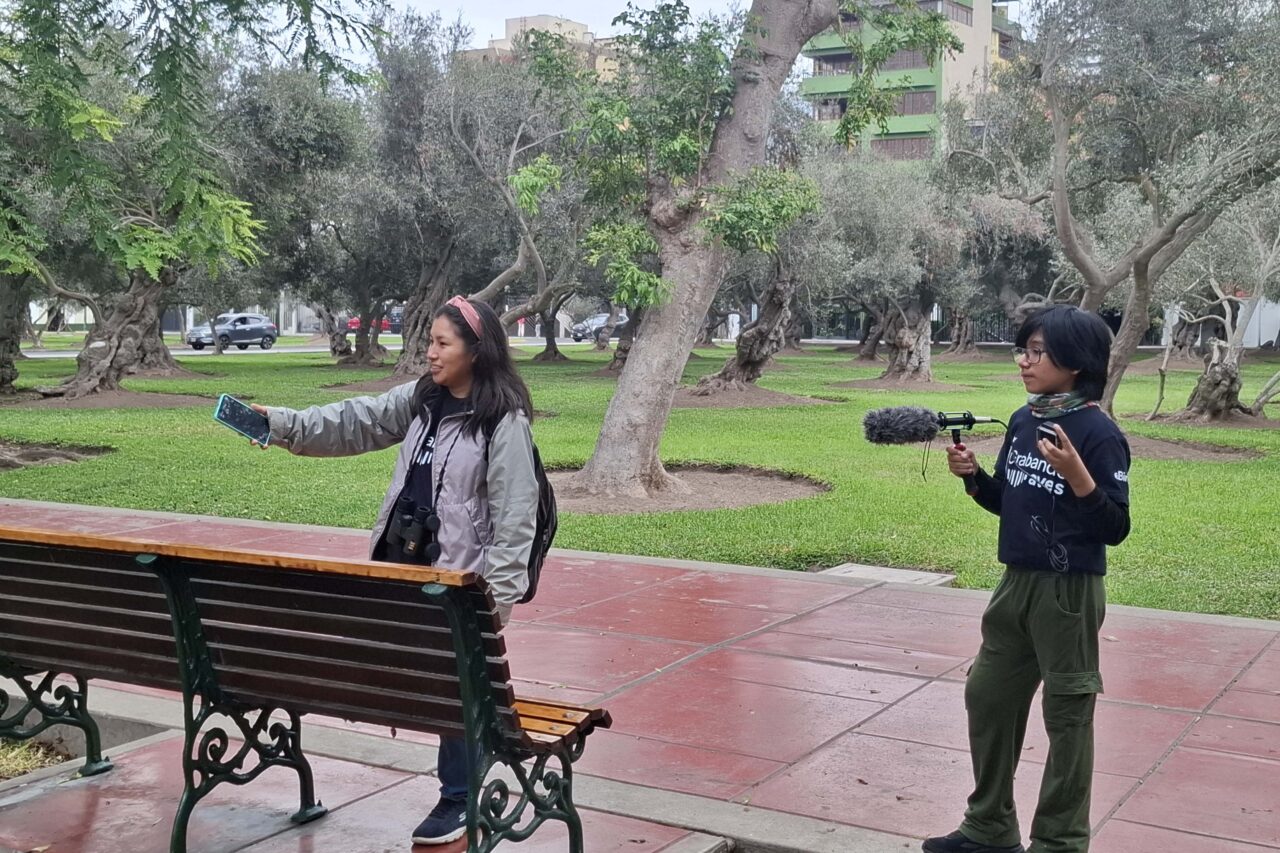

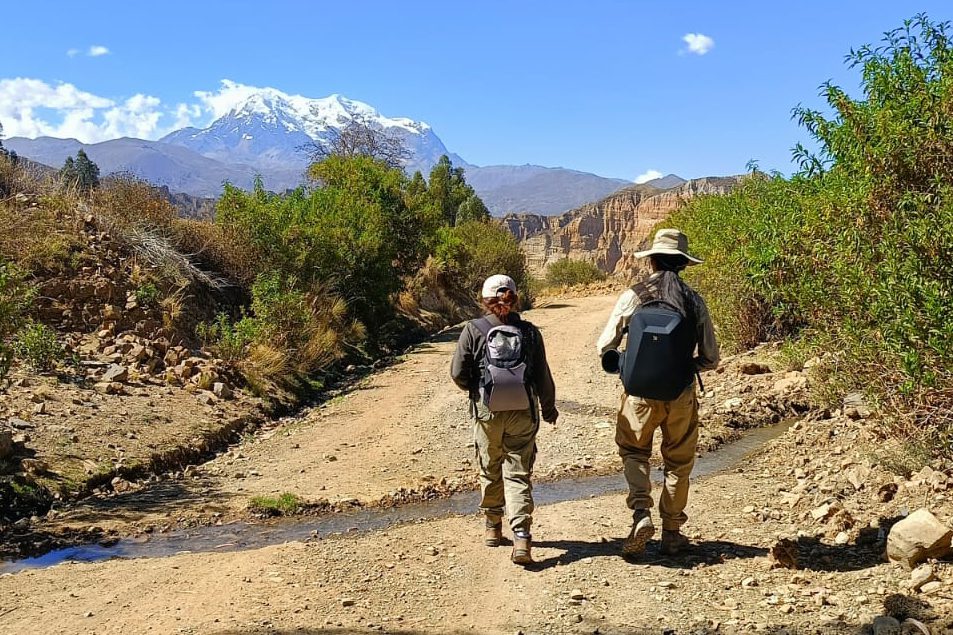
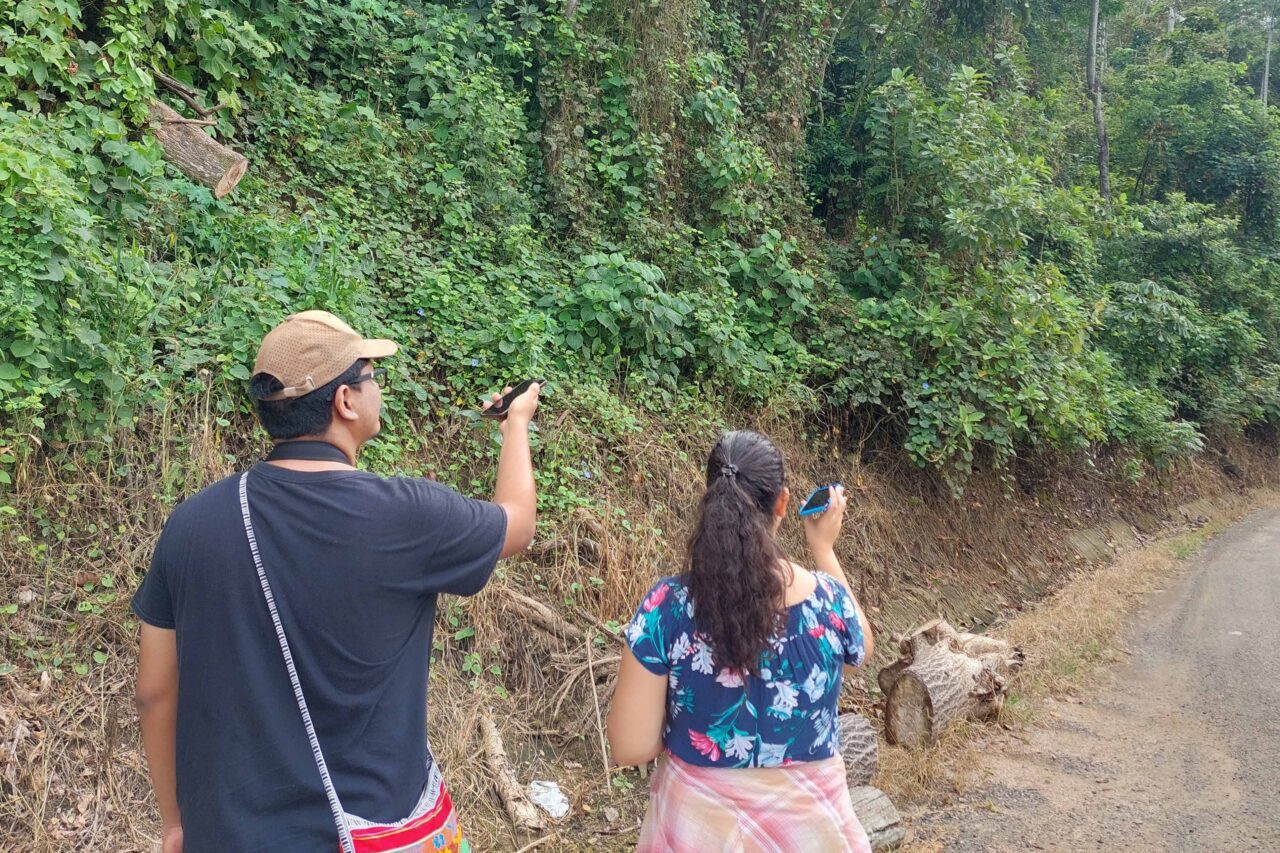


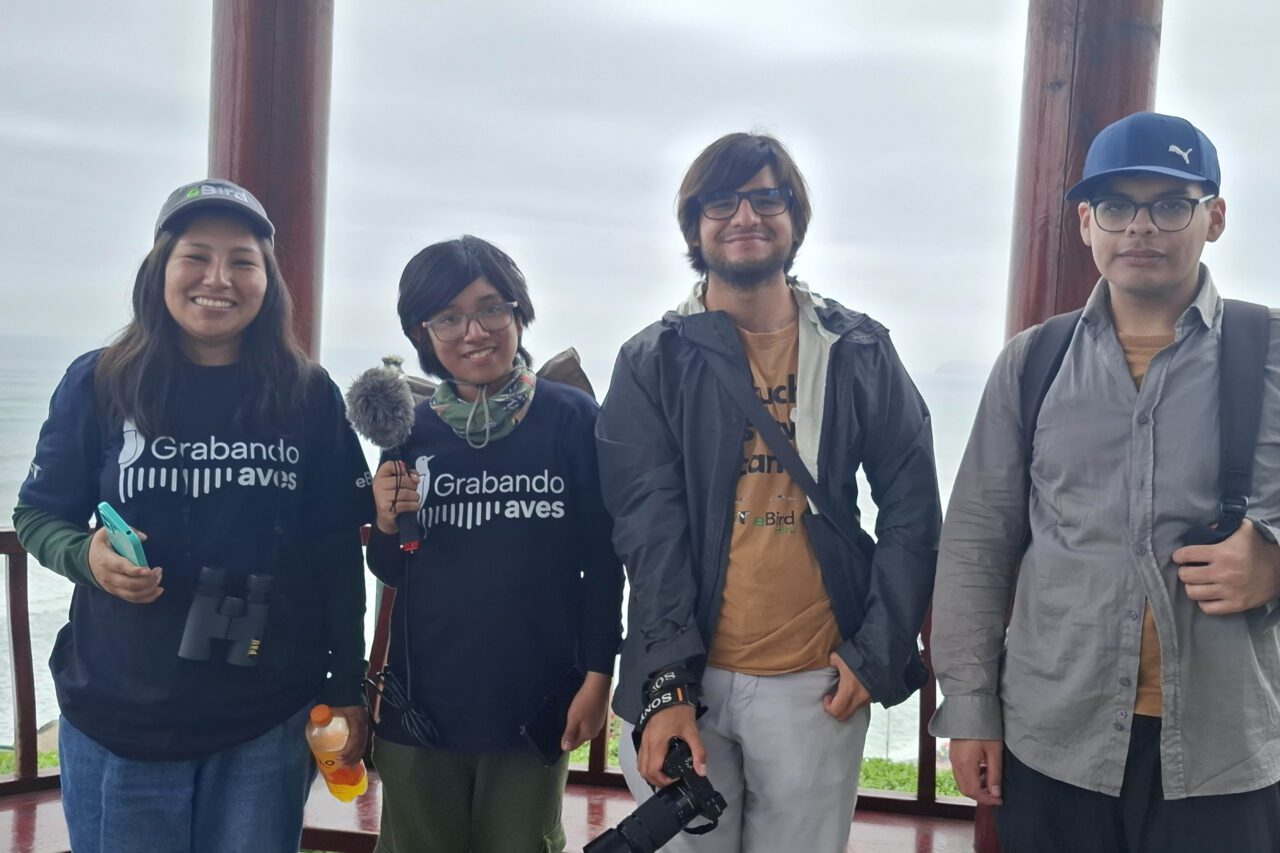
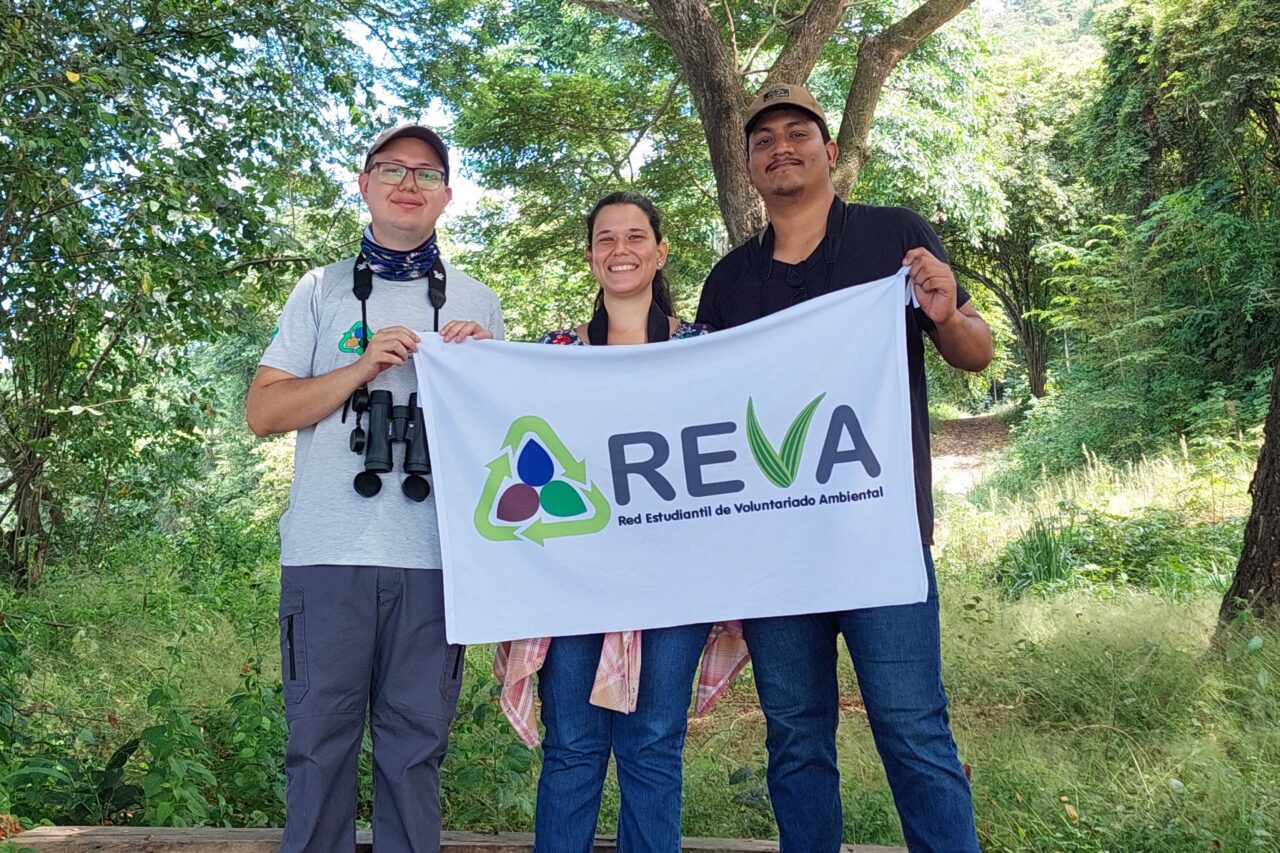
During those days, hundreds of people shared tips, sounds, equipment, routes, and experiences through local groups and social media. Many participants were recording birds for the first time; others were researchers, professional sound recordists, or eBird regional leads in their countries.
All of them became part of the same continental listening network.
“The Grabatón showed that listening to birds can also be a way to build science, community, and conservation.”
What’s next
The Grabatón 2026 was just the beginning. We don’t yet have a confirmed date for the next edition, but one thing is certain: it will happen again.
In the meantime, the world of bird sounds never stops. At Grabando Aves, we organize monthly and annual recording challenges so you can keep contributing to Latin America’s sound archive throughout the year. Every recording counts, at any time and from anywhere.