Gear recommendations for recording birds
Recording bird sounds can be as simple as pulling out your phone and pressing “record.” But when you want to improve the quality of your recordings, questions arise: what recorder should you use? Do you need a special microphone? Is it worth investing in more gear?
This guide compiles recommendations based on years of field recording experience. You don’t need to spend a fortune to make good recordings, but choosing the right equipment can make a big difference.
💡 The best recorder is the one you already have. Even your phone can get you started. This guide is aimed at those who want to take the next step.
Three key concepts before choosing gear
• 32-bit float: lower risk of clipping your recording
Modern recorders allow recording in 32-bit float. This reduces the risk of clipping the audio or recording too quietly. In practice, it means you can focus on pointing the microphone well — regardless of distance to the bird — and adjust volume levels later in editing.
• TRS vs XLR connectors: portability vs robustness
TRS connectors (3.5 mm mini jack) are lightweight, optimize battery consumption, and are easy to replace, making them very practical for field recording. XLR connectors are more robust and offer better shielding against electrical noise. They also allow powering microphones via phantom power (48 V), though with higher battery consumption.
• The microphone matters more than the gain
The preamplifier — built into recorders — amplifies the microphone signal to a usable level, but boosting gain electronically is no substitute for good capture. In bird recording, it’s usually more effective to use a directional or parabolic microphone, or to get closer to the bird.
Recorders
We’ve reviewed some recorders with an excellent price-to-quality ratio. All support recording in 32-bit float.
| Model | Price | Connector | Batteries | Weight |
|---|---|---|---|---|
| Zoom H1 Essential | $100 | TRS | 2 × AAA | 147 g |
| TASCAM DR-05XP | $109 | TRS | 2 × AA | 174 g |
| Zoom H1 XLR | $130 | TRS | XLR | 2 × AA | 164 g |
| Zoom F3 | $300 | XLR | 2 × AA | 242 g |
| TASCAM FR-AV2 | $400 | TRS | XLR | 3 × AA | 267 g |
💡 Although many recorders include built-in omnidirectional microphones, the ideal is to connect them to a directional microphone. This type of microphone helps isolate bird song and reduce ambient noise.
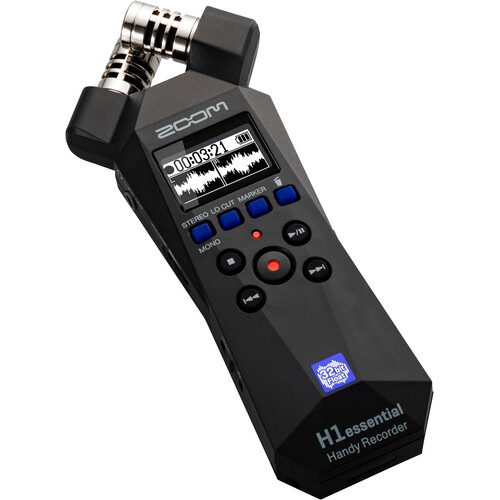
Zoom H1 Essential — Affordable and portable
An excellent entry point for beginners. It’s ultra-compact, fits in your pocket, and supports 32-bit float recording. Includes good quality built-in microphones and a TRS input for external microphones.
✔ Stands out for:
Being affordable · ultra-compact · built-in omnidirectional microphone · easy to use
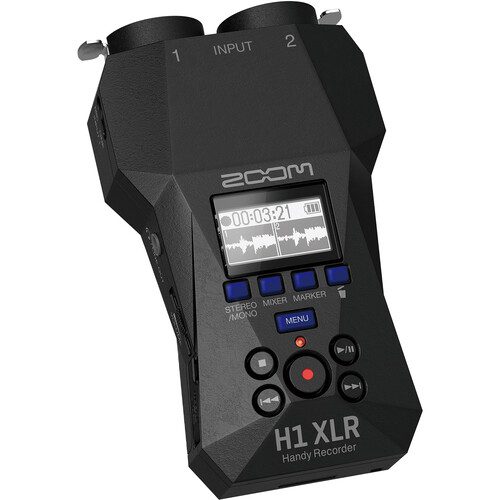
Zoom H1 XLR — Versatile for external microphones
Similar to the Zoom H1 Essential, but adds an XLR input alongside the TRS, allowing the use of professional shotgun microphones without needing a larger recorder.
✔ Stands out for:
Being affordable · compact · with XLR and TRS inputs, a great option for shotgun microphones
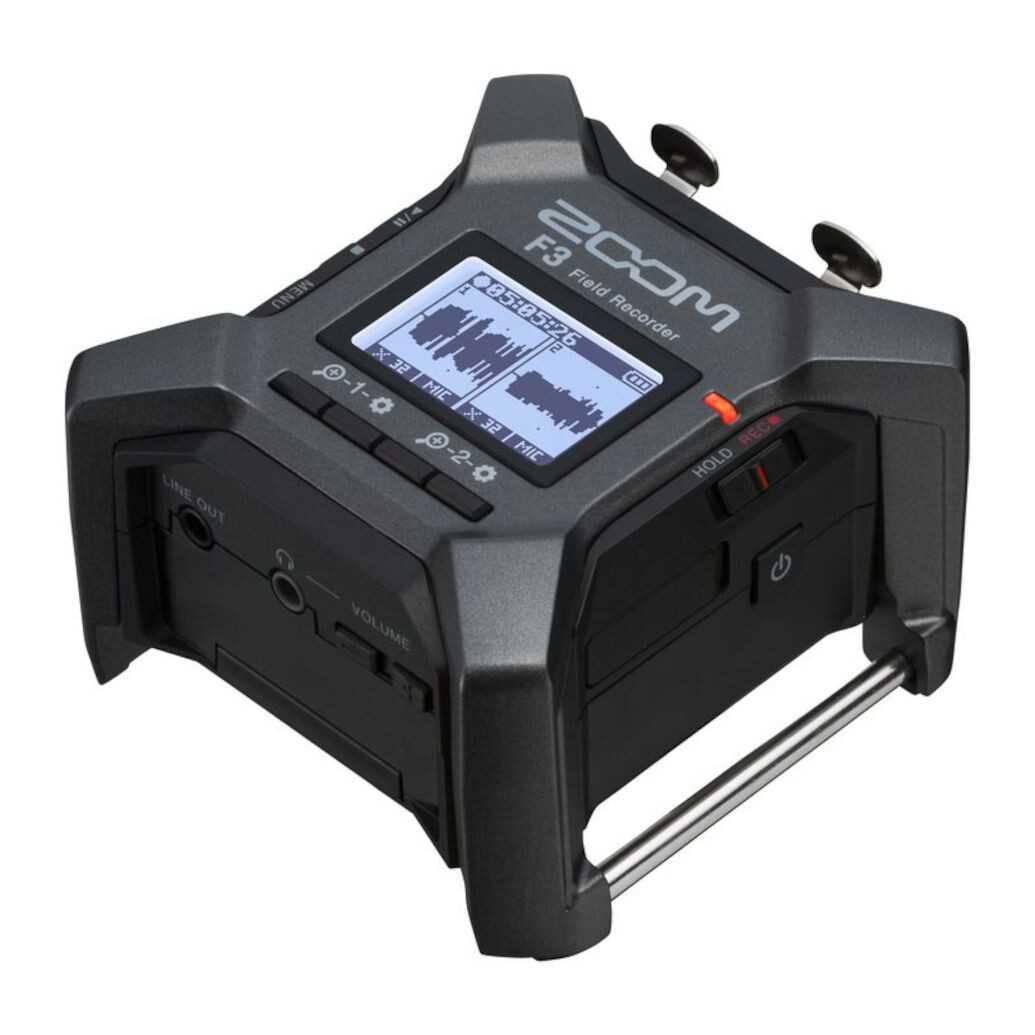
Zoom F3 — Professional quality
Offers quality comparable to much more expensive professional equipment. Includes a 5-second pre-record buffer, XLR inputs with phantom power, and simple controls.
✔ Stands out for:
Excellent recording quality · build quality · accessible price · XLR with phantom power · pre-record buffer
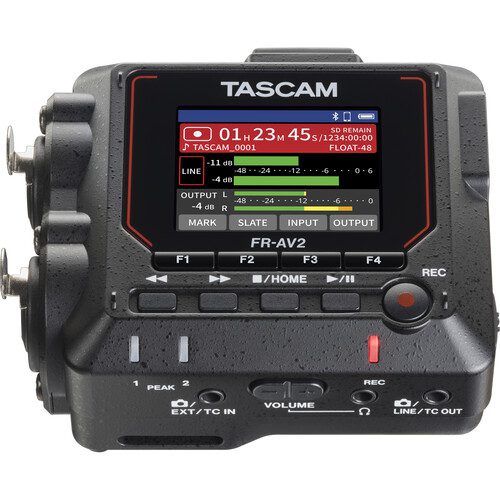
TASCAM FR-AV2 — Professional standard
With XLR and TRS connectors, this recorder offers excellent sound quality, intuitive controls, and a display for monitoring gain during recording. It also provides more advanced configuration options than others.
✔ Stands out for:
Exceptional sound quality · build quality · excellent interface · good preamp · optimal battery consumption
Microphones
A directional microphone significantly improves recording quality. Shotgun microphones are the most versatile option to start with.
| Model | Approx. price | Type | Connector |
|---|---|---|---|
| Røde VideoMic Go | $90 | Short shotgun | TRS |
| Røde NTG2 | $270 | Short shotgun | XLR |
| Audio-Technica AT8015 | $330 | Long shotgun | XLR |
| Sennheiser MKE 600 | $270 | Short shotgun | XLR |
| Røde NTG3 | $550 | Long shotgun | XLR |
💡 Shotgun length is proportional to external noise rejection, so longer microphones perform better.
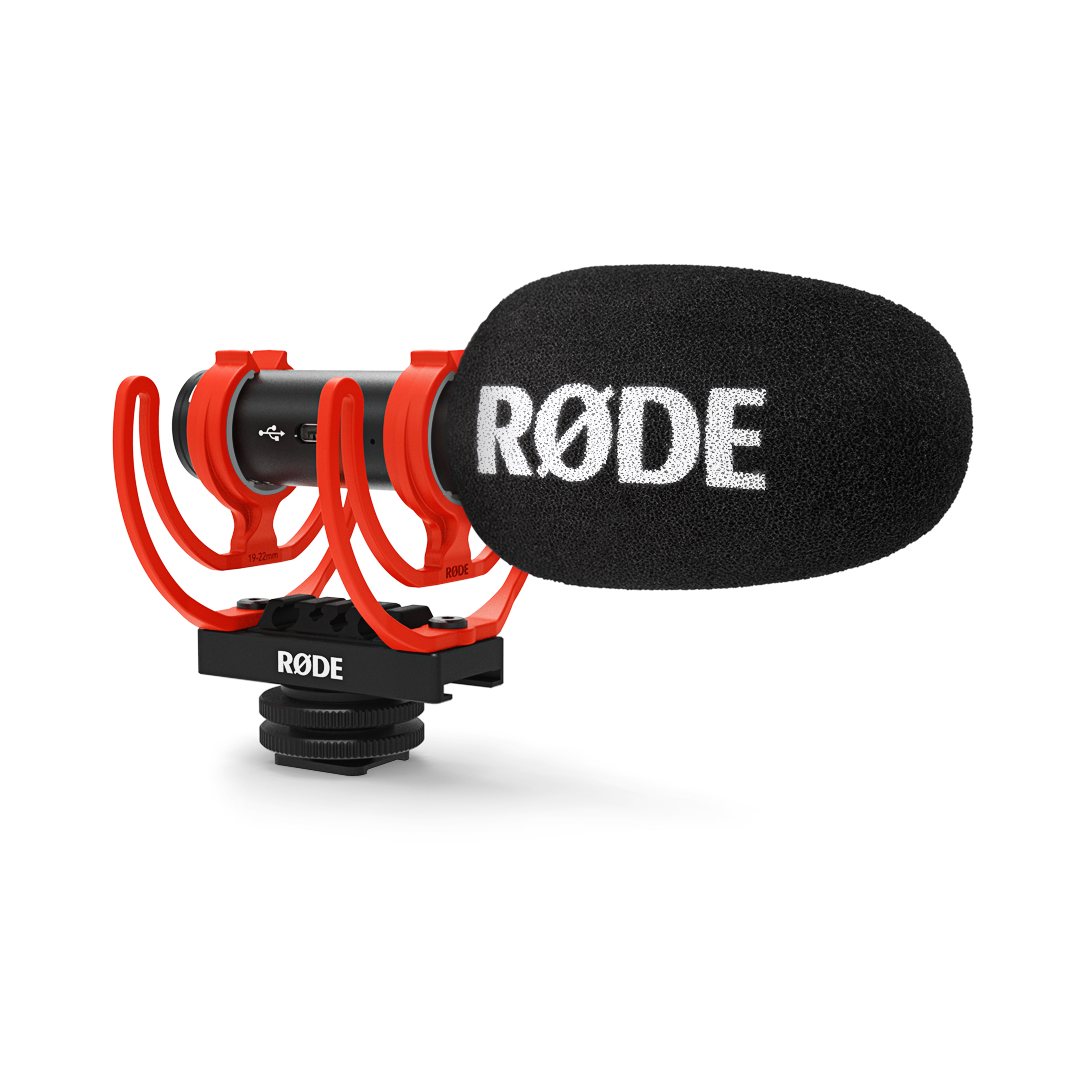
Røde VideoMic Go — Entry-level option
A great way to upgrade your audio beyond a phone’s built-in microphone. The VideoMic Go offers a real improvement over the integrated microphone on a phone or recorder. It’s small, affordable, easy to use, and connects via 3.5 mm mini-jack.
✔ Stands out for:
Being ideal for beginners · Can be connected to a smartphone
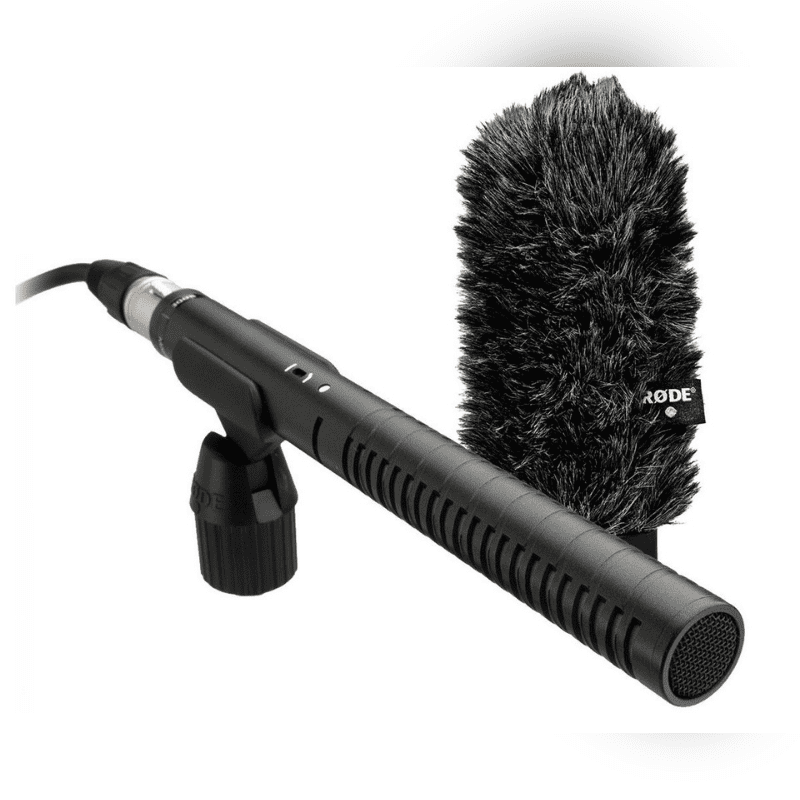
Røde NTG2 — Best value for money
One of the most widely used microphones among bird recordists. Offers excellent quality for its price and can run on either phantom power or a AA battery.
✔ Stands out for:
Good sound quality · accepts AA battery or phantom power · can connect to a smartphone (requires XLR to USB-C cable)
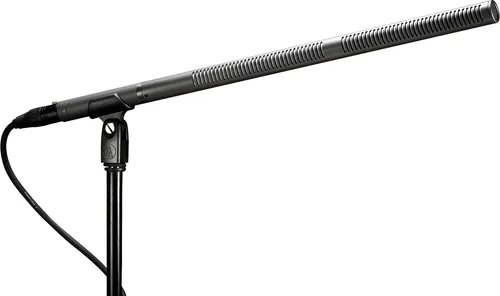
Audio-Technica AT8015 — High directionality
A very interesting long shotgun for isolating specific bird sounds in noisy environments. Its greater length gives it higher directionality than most short shotguns.
✔ Stands out for:
Very high directionality · reasonable price · trusted brand
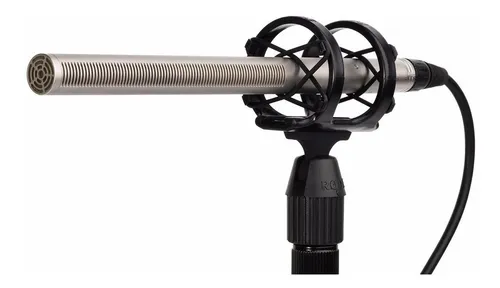
Røde NTG3 — The next step up
A high-quality directional microphone with greater directionality than short shotguns like the NTG2. Requires phantom power, so it does not work with smartphones.
✔ Stands out for:
Very high directionality · robust build · trusted brand
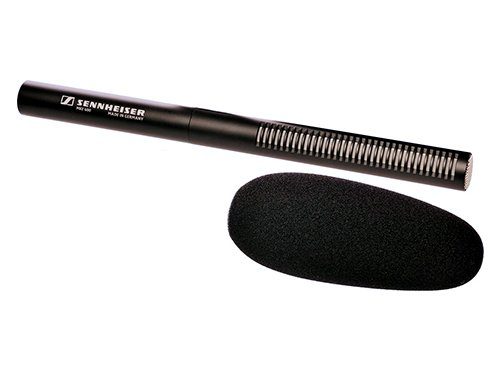
Sennheiser MKE 600 — Compact and reliable
The Sennheiser MKE 600 is a good-quality short shotgun with the advantage of supporting both phantom power and AA battery operation. It’s a solid choice if you’re already familiar with the brand and looking for something compact and dependable.
✔ Advantages
Good sound quality · phantom power + AA · well-known brand
Parabolic reflectors
Parabolic reflectors are the preferred tool of many bird sound specialists. Unlike shotgun microphones — which work by cancellation — parabolics concentrate sound at a focal point and amplify it naturally.
| Model | Approx. price | Type | Connector |
|---|---|---|---|
| Wildtronics Pro Mono | $790 | Mono parabolic microphone | TRS | XLR |
| Crake Sound Stereo Focus MKI | $600 | Stereo parabolic microphone | TRS |
💡 Most reference recordings in Merlin were made with parabolic reflectors, as they allow very clean recordings. The downside is portability and cost.
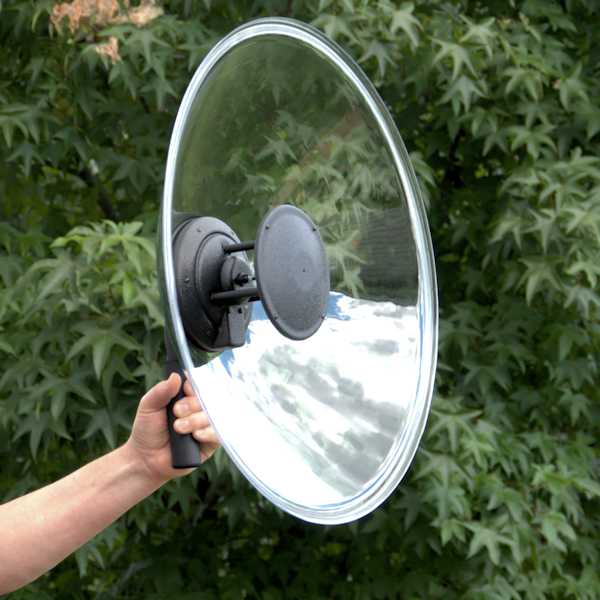
Wildtronics Pro Mono
Professional parabolic with integrated microphone. The Feather Light dish is rollable and easy to transport; the Standard version has a more rigid but more durable dish. Connects to the recorder via TRS or XLR.
• Advantages: excellent quality dish · Feather Light model is ideal for travel • Disadvantages: mono recording only · accessories sold separately
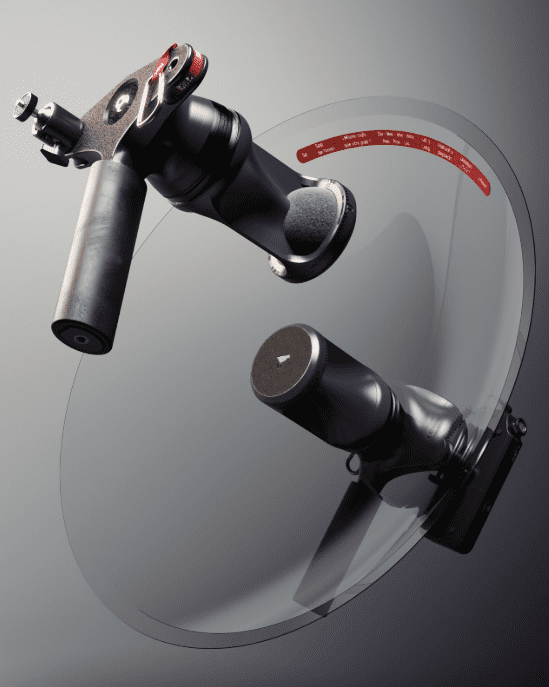
Crake Sound Stereo Focus
Professional parabolic developed in Argentina with a compact design that allows mounting the recorder directly onto the system, creating an all-in-one setup. Available with both flexible and rigid dishes. Connects to the recorder via TRS cable.
• Advantages: stereo recording · all-in-one system · all accessories included • Disadvantages: TRS cable only · delicate parabolic dish
Recommended combinations
Below are some gear combinations that deliver good results for bird recording, depending on experience level and budget.
Beginner ~$270
Smartphone + Røde NTG2
→ A huge upgrade over the phone’s built-in microphone, letting you get started on a tight budget.
Semi-pro ~$630
Zoom F3 + Audio-Technica AT8015
→ Portable, professional-quality setup with great directionality for isolating birds.
Pro (compact parabolic) ~$700
Zoom H1 Essential + Crake Sound Stereo Focus
→ Lightweight and easy-to-carry system for parabolic recording.
Pro (maximum quality) ~$1,090
Zoom F3 + Wildtronics Pro Mono
→ One of the most widely used setups for achieving very clean recordings.
Final thoughts
Keep in mind that gear matters, but technique matters more. Knowing the bird’s behavior, being in the right place, and pointing the microphone well usually make more of a difference than having the most expensive equipment 😃 Happy recording!